Why Spreadsheets Eventually Fail as a Software Management System
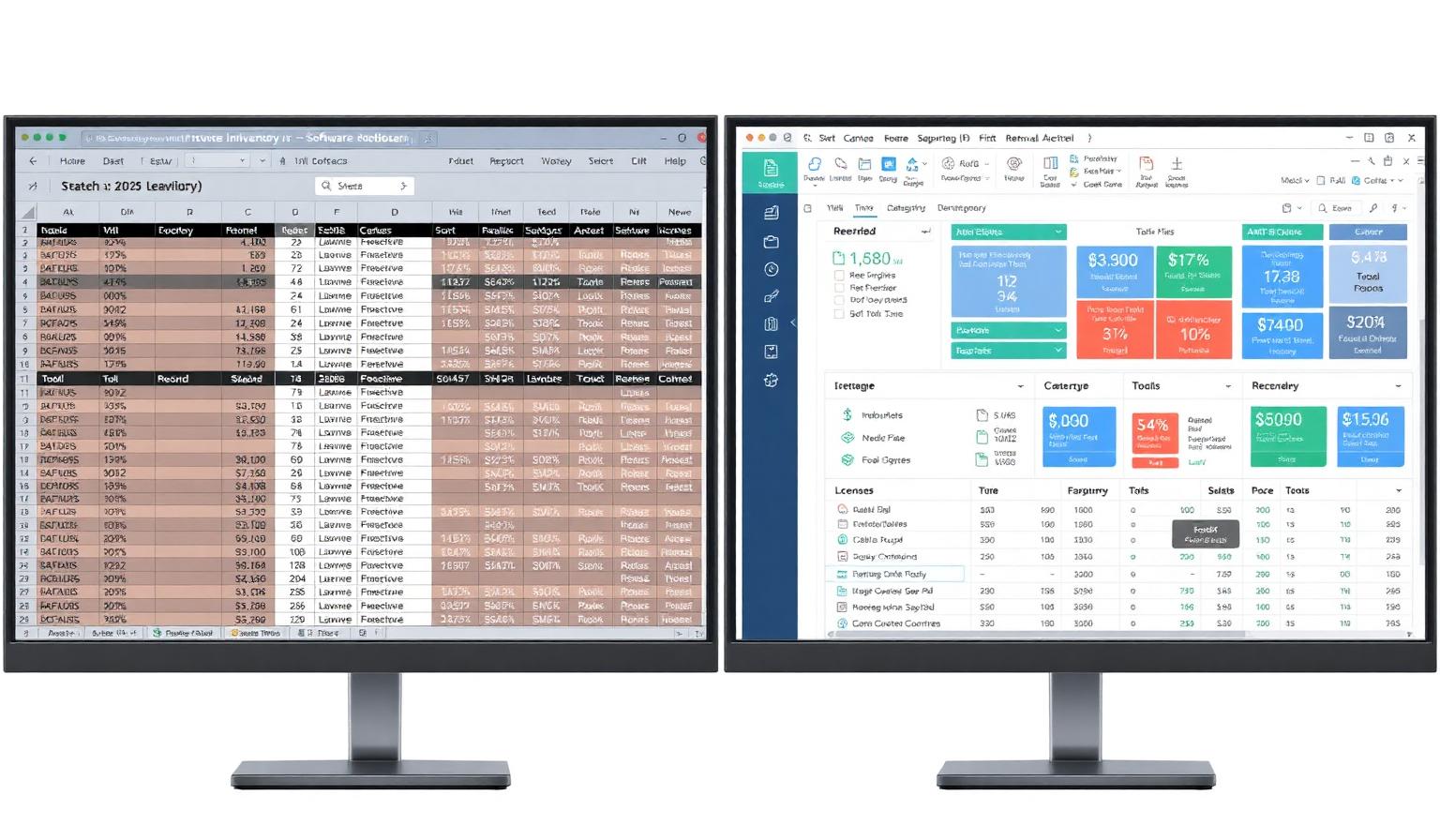
For many organizations, the first software inventory is a spreadsheet.
This approach works surprisingly well in the beginning.
A list of tools.
A few renewal dates.
Some costs.
A handful of users.
Simple.
The challenge appears as complexity increases.
New tools are added.
Team members change.
Licenses expand.
Departments grow.
Information becomes outdated.
Before long, nobody knows whether the spreadsheet reflects reality.
The problem is not that spreadsheets are bad.
The problem is that software management is dynamic.
Subscriptions change constantly.
Users join and leave.
Renewal dates move.
Licenses are reassigned.
Shared accounts become individual licenses.
The software ecosystem evolves faster than static spreadsheets can keep up.
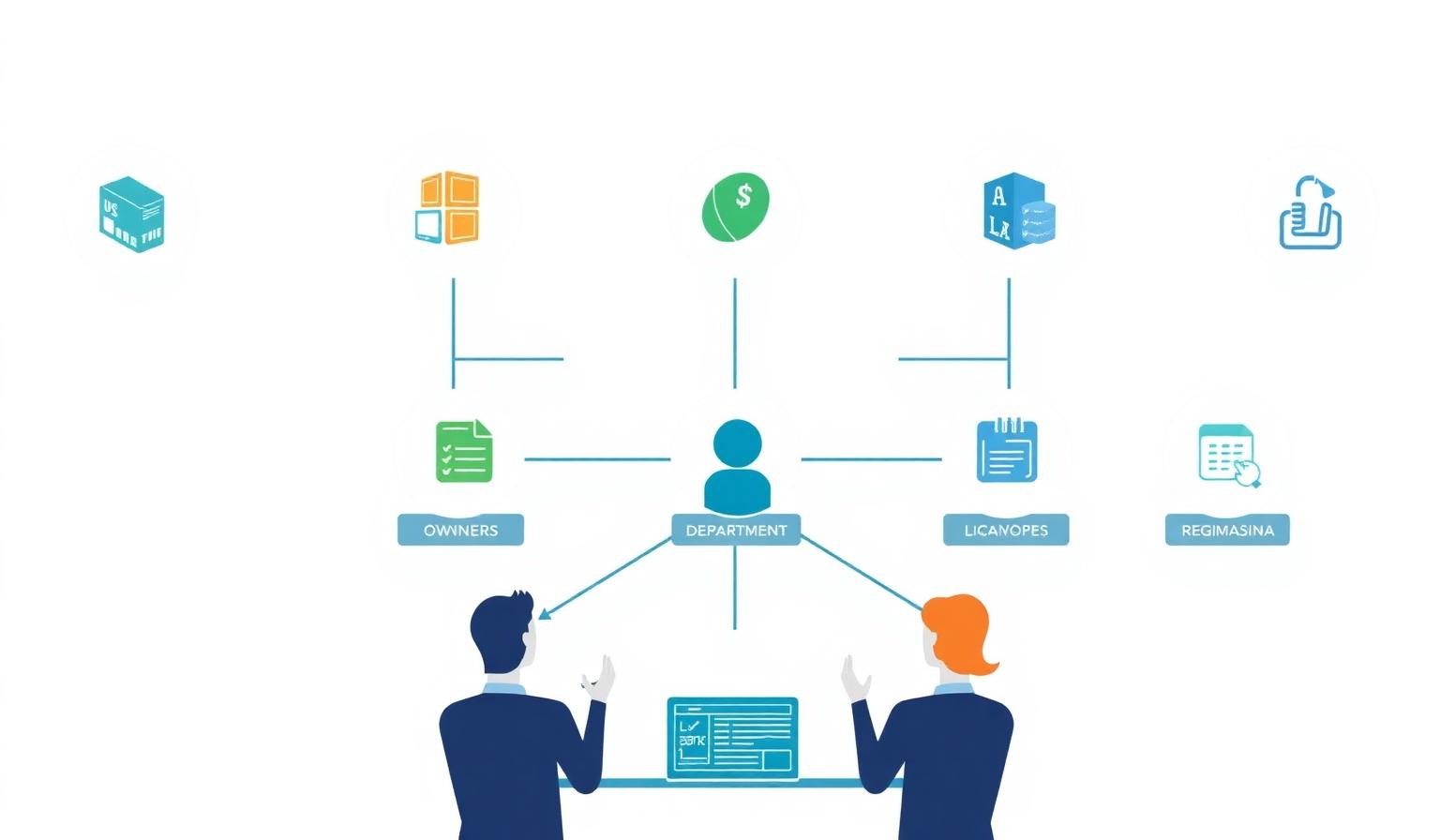
Organizations need a system designed specifically for software visibility.
A dedicated software inventory platform allows teams to:
- Track ownership
- Monitor renewals
- Manage licenses
- Organize tools
- Share access references
- Understand software spending
Spreadsheets are excellent for many things.
Managing a growing digital footprint is usually not one of them.
As software usage expands, visibility becomes more important than flexibility.
The organizations that maintain that visibility are the ones that stay in control of their software ecosystem.